If you have a problem with your large intestine that cannot be addressed with medicines, you may require an ileostomy. Inflammatory bowel illness is one of the most prevalent causes of an ileostomy (IBD). Crohn’s disease and ulcerative colitis are the two forms of inflammatory bowel disease.
If your bowels do not cooperate, you may have been diagnosed with a severe functional disorder called Irritable Bowel Syndrome (IBS). IBS can be very uncomfortable and painful for most people. As soon as it becomes too painful, it is recommended that you seek immediate treatment from a good doctor. But what is an ileostomy? A small pouch is created by placing the pelvic organ next to the anal opening or the medical procedure that makes this opening smaller.
The colon is linked to the smaller intestines after the surgeon creates a tiny pouch. The ileostomy slices the large intestine, preventing it from blocking the small intestine as it passes through. If an ileostomy is established following surgery, sutures are used to widen the anus. Furthermore, the colon and large intestine are sewn together. This is how a person with a large bowel may eat meals without difficulty. You will be unable to regulate your bowel movement due to the ileostomy’s lack of sphincter muscles (when stool comes out). To collect the feces, you will need to wear a pouch. The feces that emerges from the stoma has a watery to a pasty consistency.
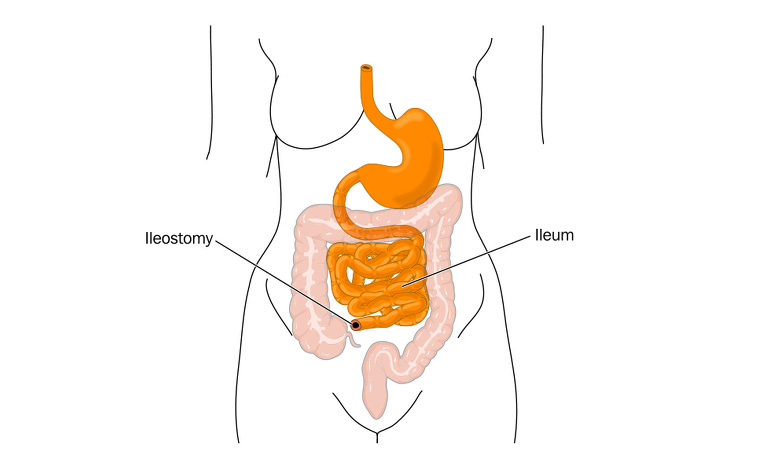
Unlike a colostomy which is used to create a long-lasting artificial opening for the large intestine, an ileostomy is used to create a short-term opening for the large intestine. An abdominoplasty is a term given to surgeries involving the large intestine and the colon. Usually, a patient is advised to go home the same day as the surgery, and there is also a recovery period. During the recovery period, the abdominal wall will heal and the stitches will be removed.
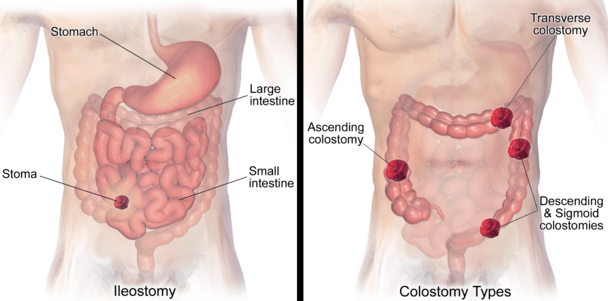
However, many people may need more than one ileostomy or a revision procedure. These procedures have many benefits, especially for patients with severe symptoms of Crohn’s disease. Patients suffering from this condition may need an operation to remove the scar tissue that results from inflammation and other complications associated with Crohn’s. The surgery for the ileum may also be necessary if a person suffers from symptoms such as fistulas, which are tubes that connect the intestines to the anal canal.
An ileostomy can either be limited to just the rectum or include the whole colon. Some doctors perform both procedures for their patients. One of the advantages of putting a person under a general anesthetic while performing surgery is that it reduces the amount of pressure needed on the rectum and thus the risk of bleeding during the procedure. This helps make an ileostomy less risky. However, because there is no longer a hole in the anus, there is also less chance of contamination. Sometimes it’s difficult to find a good surgeon for an ileostomy since there is very little room for the surgeon to perform surgery, so it’s recommended that you look into local anesthesia as an option when going under a general anesthetic.

 Ostomy Specialist
One thought on “What You Should Know About Ileostomies”